HYROX has quickly become one of the fastest-growing fitness competitions in the world.
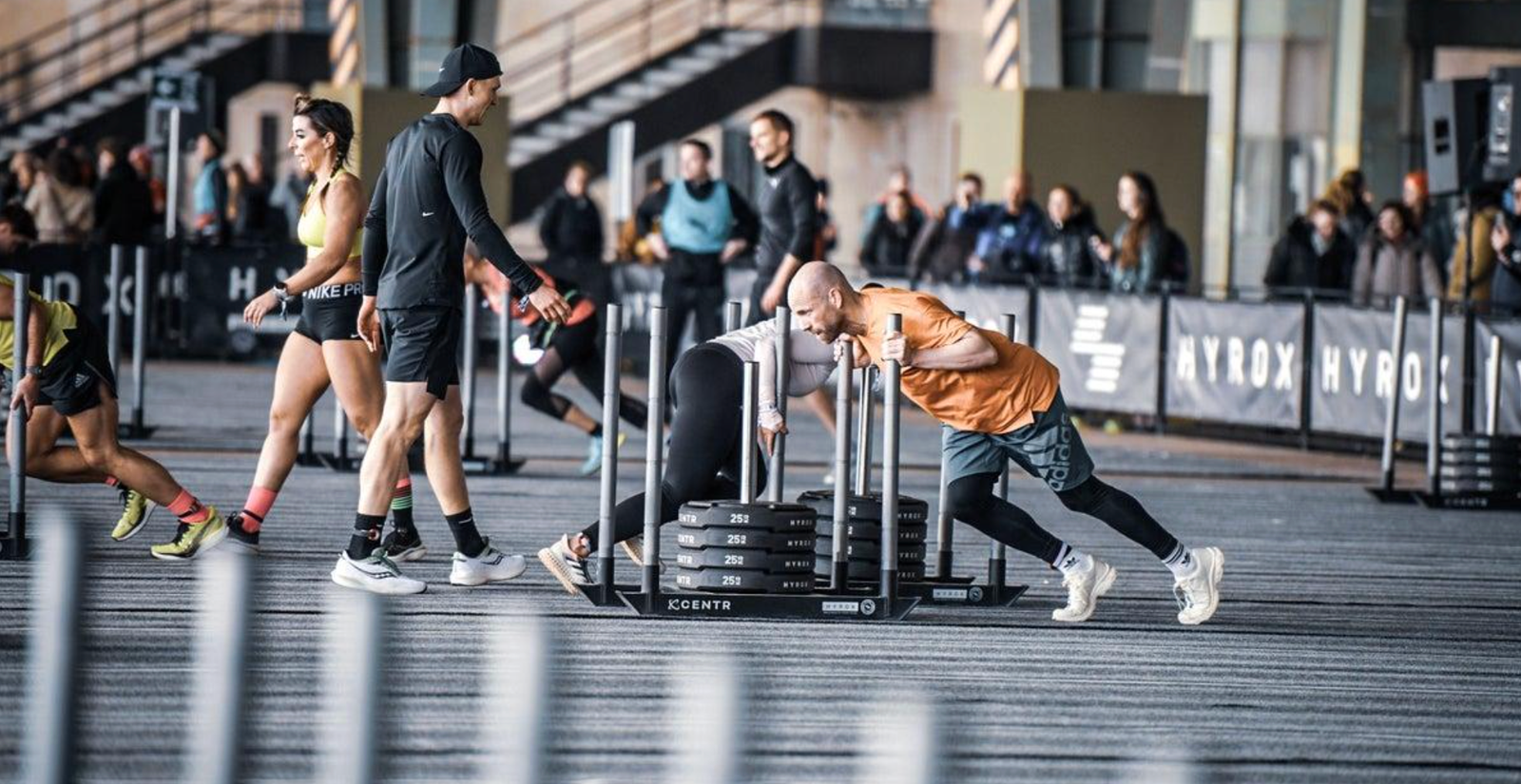
Combining endurance running with functional movements such as sled push, sled pull, burpee broad jumps, rowing, farmer carries and wall balls, HYROX challenges athletes in a way that is different from traditional running races or strength competitions.
The goal is not only to finish the race.
For many athletes, the real challenge is:
How can I train consistently, improve performance and recover fast enough for the next session?
This is where recovery becomes part of the training plan.
Elite athletes have understood this for years. Professional teams invest heavily in recovery because they know one simple fact:
Better recovery allows athletes to train better.
Why Recovery Matters More Than Ever in HYROX Training
Today, many HYROX competitors, functional fitness athletes and training facilities are adopting professional recovery methods including compression therapy, cold therapy, sauna and mobility work.
A HYROX workout is not only cardio.
It creates a combination of:
- high cardiovascular demand
- repeated muscle fatigue
- heavy lower-body loading
- explosive movements
- limited recovery time between efforts
For example:
A sled push places significant stress on:
- quadriceps
- glutes
- calves
Running intervals create repeated impact on:
- knees
- ankles
- lower legs
Burpee broad jumps and wall balls require:
- explosive power
- coordination
- muscular endurance
Many athletes experience the same problem:
“I can complete my workout, but my body is not ready for the next one.”
This is where a structured recovery routine becomes valuable.
The Importance of a Consistent Recovery Routine
Recovery is not only something athletes do after injury.
Modern athletes use recovery as a performance tool.
A complete recovery strategy usually includes:
1. Active Recovery
Light movement such as:
- walking
- mobility training
- stretching
- low-intensity cycling
The goal is not to create more fatigue.
The goal is to help the body transition back into a ready state.
2. Compression Therapy
Compression therapy has become increasingly popular among:
- endurance athletes
- runners
- functional fitness competitors
- professional sports teams
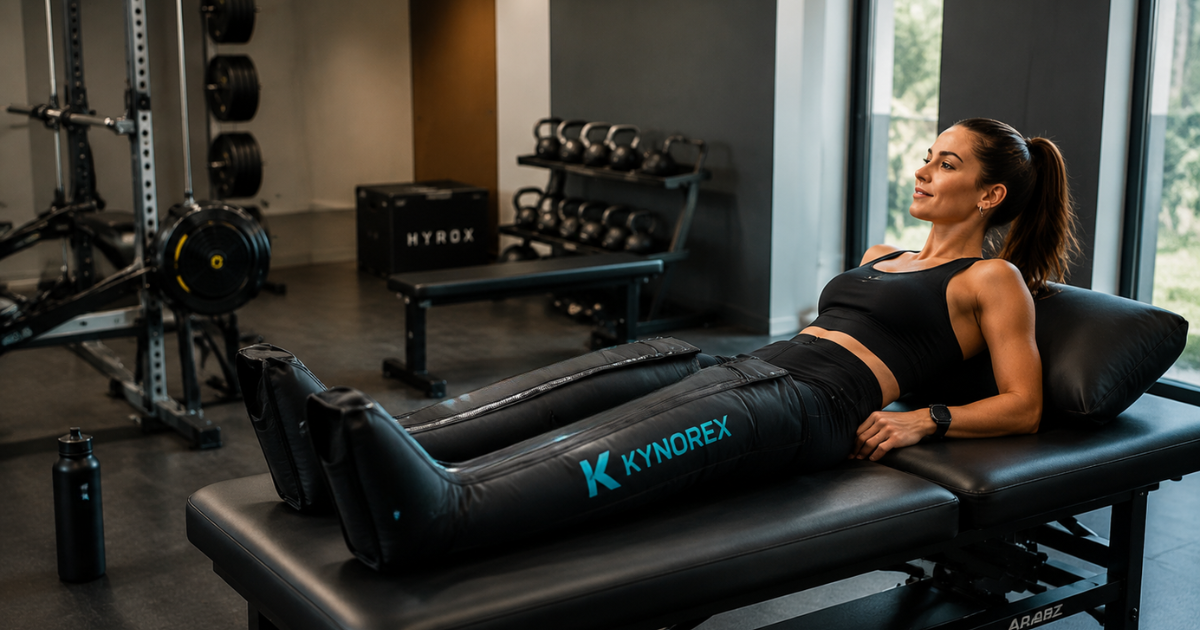
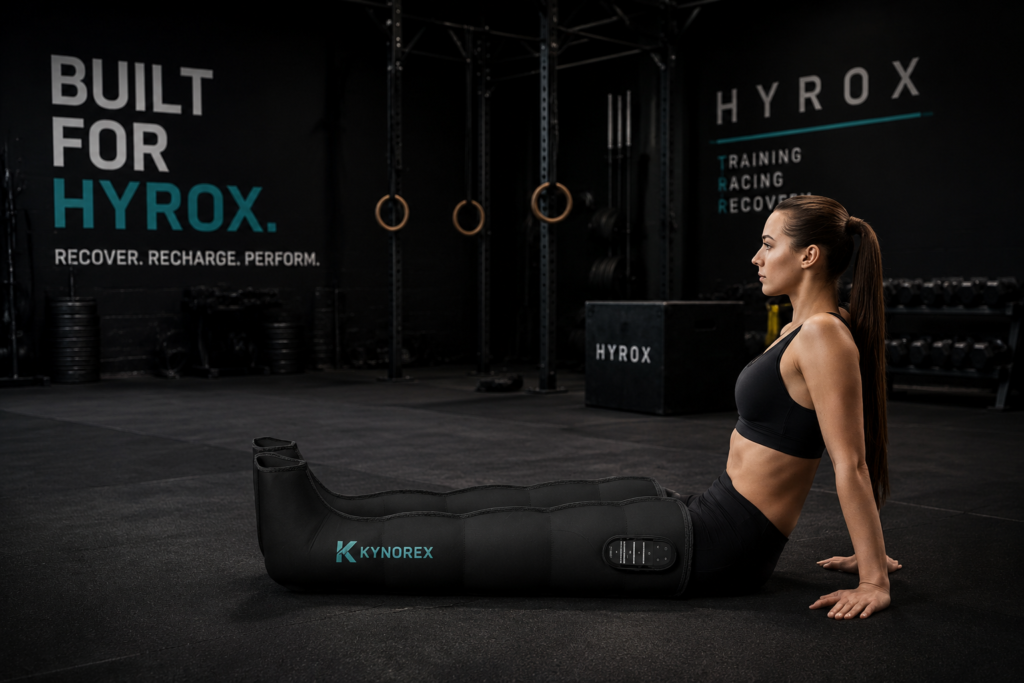
Compression boots use intermittent pneumatic compression technology.
The air chambers inside the boots inflate and release in sequence, creating a massage-like compression effect around the legs.
Many athletes use recovery boots after:
- intense HYROX workouts
- running sessions
- strength training
- competitions
For athletes who train several times per week, compression boots provide a convenient recovery option without requiring additional training time.
At Kynorex, we work with athletes, gyms and recovery facilities looking for professional recovery solutions, including portable compression boots designed for training environments and personal recovery routines.
Cold Therapy: Why Ice Baths Are Popular Among HYROX Athletes
Cold water immersion has become one of the most discussed recovery methods in the fitness community.
From professional sports teams to functional fitness athletes, many competitors include ice baths as part of their recovery routine.
The appeal is simple:
After a demanding training session, athletes want a practical way to manage soreness and prepare mentally and physically for the next challenge.
Modern portable ice bath systems make cold exposure easier for:
- home gyms
- personal training studios
- functional fitness facilities
- sports recovery centers
Unlike traditional ice baths that require large amounts of preparation, portable ice tubs offer a more convenient solution for regular use.

Heat Recovery and Sauna After HYROX Training
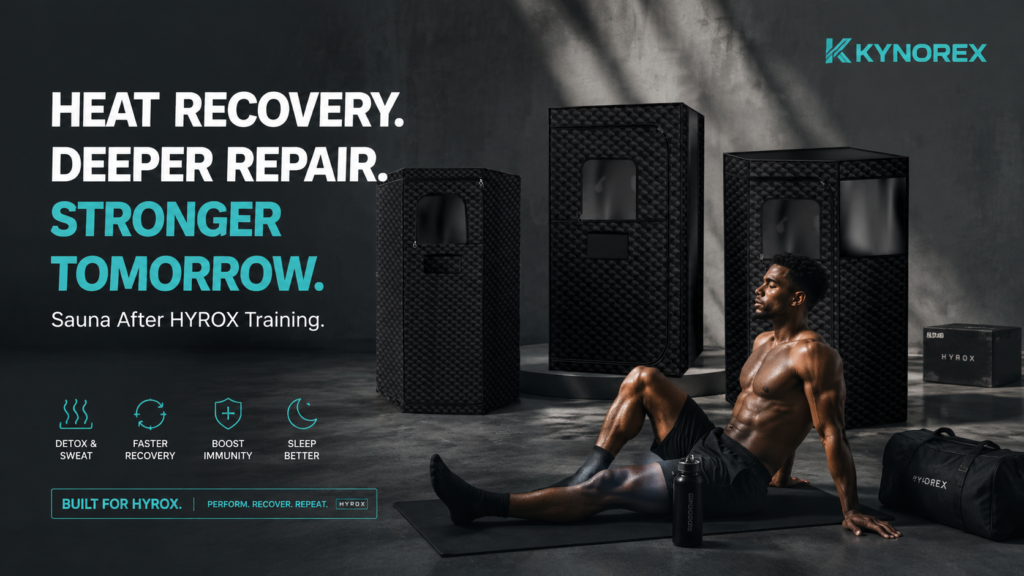
While cold therapy receives significant attention, heat recovery also plays an important role in many athletes’ routines.
Portable sauna systems are often used for:
- relaxation
- recovery routines
- post-training wellness
Many athletes combine different recovery methods depending on their training schedule.
For example:
After a hard HYROX session:
Morning:
- hydration
- nutrition
- mobility
Later:
- compression therapy
Evening:
- sauna or relaxation routine
There is no single recovery method that works for everyone.
The best recovery strategy is the one athletes can consistently follow.
Building a HYROX Recovery Routine
A practical recovery routine does not need to be complicated.
A simple example:
Immediately After Training
Focus on:
- hydration
- protein intake
- cooldown movement
Within the Same Day
Add:
- compression therapy
- mobility work
Between Training Sessions
Prioritize:
- quality sleep
- nutrition
- stress management
Recovery is not about doing more.
It is about helping your body handle the training load you already have.
Recovery Equipment for HYROX Gyms and Training Facilities
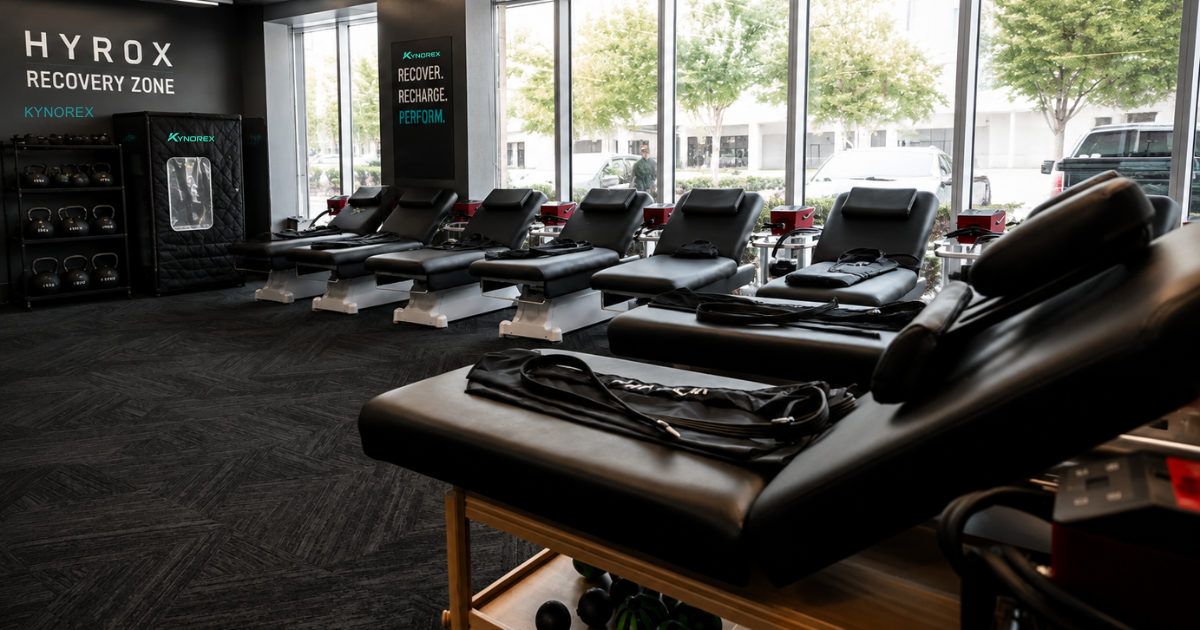
As HYROX continues growing globally, more gyms are creating dedicated recovery spaces.
A recovery area can become an additional service for:
- HYROX training clubs
- functional fitness gyms
- personal training studios
- sports performance centers
Popular recovery equipment includes:
Compression Boots
For athlete recovery after intense sessions.
Ice Bath Systems
For cold exposure routines.
Portable Sauna
For relaxation and wellness programs.
Massage Devices
For targeted muscle care.
For gyms, adding recovery equipment is not only about selling a product.
It is about creating a better athlete experience.
A well-designed recovery zone can help gyms:
- improve member retention
- attract serious athletes
- create additional service opportunities
Final Thoughts
HYROX training is demanding.
Success is not only determined by how hard athletes train.
It is also determined by how intelligently they recover.
Whether you are preparing for your first HYROX event or managing a functional fitness facility, building a consistent recovery strategy can help athletes stay stronger, healthier and more prepared for the next challenge.
At Kynorex, we believe recovery should be accessible, practical and designed around real athletes’ needs.
From compression boots to cold therapy and recovery solutions, we support athletes, gyms and wellness facilities building better recovery experiences.